
Article
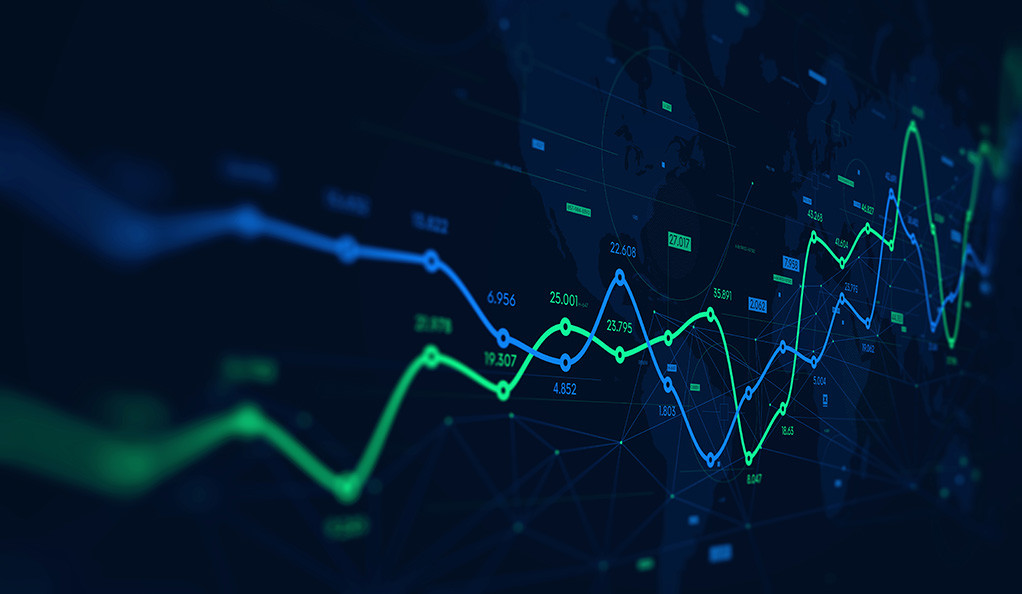
Economics and Technology: A match the world needs to embrace
TechnologyEconomics can be defined as a social science that embraces how individuals, some businesses, governments, and societies utilize their resources to the maximum. Dealing with the basic principles of demand and supply, economics conveys messages about wants and needs. Involving theories about the production, distribution, and consumption of goods and services as well as behavioral understandings of the factors involved in such consumptions, economics enhances these theories and helps in economic growth, development, and welfare with help from humanity at large.
On the other hand, technology is a way of creating, developing, and improving different products, services, and systems by creating tools, techniques, and processes. Technology includes the modernization of the world to realize its maximum potential with a drive to efficiently, productively, and functionally change industrial activities to promote their maximum outcome.
With an agenda related to the maximum outcome, economics and technology have become increasingly connected. The advancement of industries using technology has become key to shaping the economic landscape of today's world. In this article, we will explore how economics and technology impact the global economy and what the future holds with its much broader potential.
The digital economy is such an amazing concept that has been led by global-scale companies such as Amazon, Google, and Facebook. These tech giants have not only disrupted traditional retail and advertising but have completely created new methods. Online marketplaces, social media, or e-commerce are prime examples of how consumers are directed towards technology in modern times.
The immense rise of gig companies should not be an afterthought. Freelance work through different technology mediums, the online marketplace has blurred the lines between currencies and made it much easier in terms of creating self-employed workers. This has not only created a rise in remote work but also addressed how opportunities can be given to people in developing countries where access to traditional employment has been limited.
Automation through artificial intelligence (AI) is simply the biggest potential the world has in terms of today's innovations. AI deals with numbers like nothing before it, utilizing data in such amazing proportions that it can only increase productivity and efficiency while embracing the theories of economics that relate to the science of wealth and consumer behavior. These advancements give a general understanding of how manufacturing and resources could be reaching their maximum potential.
Technology's rise has created a massive outburst of challenges for policymakers. With a global reach of tech companies and issues of privacy, intellectual property, and antitrust being such big thought policymakers and grappling very hard to find the right balance between innovation and technology. While some are simply trying to avoid any such massive change as it can be a huge risk to their general economy as well, some are simply fascinated by the massive impact technology can have on the economy. The Nepalese government's constant effort to try and block any movements towards cryptocurrency could explain how big of a challenge it is to regulate such a technical rise in the economy.
Looking to the future, it is clear that technology will have a massive role in shaping the global economy. The development of tech industries and new technologies such as quantum computing and blockchain is likely to have a massive impact on multiple industries. However, certain risks come with the change. Cybersecurity can be a massive threat that could create adversity in the global economy while adding unwanted sanctions with it.
In conclusion, economics and technology are becoming increasingly connected. Technology is transforming traditional industries, creating new ones, and changing the way we work, communicate, and consume. While this has created new opportunities and challenges, it is clear that technology will continue to play a crucial role in shaping the global economy in the years to come. As policymakers and businesses navigate this rapidly changing landscape, it will be essential to strike the right balance between innovation and regulation to ensure that the benefits of technology are shared by all.

Recent Posts
1 year ago Event
1 year ago Event

1 year ago Event

2 years ago Experience

2 years ago Technology
2 years ago Event
2 years ago Technology

2 years ago Event

2 years ago Technology

3 years ago Experience
3 years ago Technology

3 years ago Volunteer